
Natural smile, healthy teeth
The aim of conservative dentistry is to preserve your natural teeth for as long as possible in a healthy condition, with their natural shape and proper function. During treatment, we aim to retain as much healthy tooth structure as possible while providing an aesthetic and durable restoration.
Whether the treatment involves restoring a decayed tooth, an aesthetic filling, rebuilding a tooth or root canal treatment, we work according to a treatment plan tailored to the condition of the tooth and your individual needs.
We use modern techniques and contemporary materials so that the final result fits harmoniously into your smile, both functionally and aesthetically.
Aesthetic dental filling
When might conservative dental treatment be needed?
Conservative dentistry aims to preserve your natural teeth for as long as possible and restore damaged tooth structure. It is worth arranging an examination if you experience pain, sensitivity or a visible change, although some problems may initially cause no symptoms.
Tooth sensitivity
Sensitivity to cold, hot or sweet foods can have several possible causes, so it is worth having it assessed.
Toothache
If toothache is recurring or becoming more intense, it is important to identify the underlying cause and determine the appropriate treatment option.
Tooth decay
Tooth decay can initially be symptom-free. When detected early, a smaller restoration may often be sufficient.
Broken or damaged tooth
Even a small fracture or chip can cause aesthetic and functional problems, so it is worth having the tooth examined by a dentist.
Old or damaged filling
Existing fillings can wear, become damaged or require replacement over time.
More extensive loss of tooth structure
If a larger part of the tooth has been damaged, the restoration method is selected based on the remaining healthy tooth structure and the individual clinical situation.
Which treatments are included in conservative dentistry?
The appropriate treatment always depends on the condition of the individual tooth. Whenever possible, our aim is to preserve as much healthy natural tooth structure as possible.
Aesthetic dental filling
One of the most common ways to restore a decayed or mildly damaged tooth. Using tooth-coloured filling material, our aim is to restore both the function and natural appearance of the tooth.
Tooth build-up
When there is more extensive loss of tooth structure, a more substantial restoration may be required to rebuild the form and function of the tooth. The appropriate solution is selected according to the condition of the tooth and the amount of healthy tooth structure remaining.
Root canal treatment
If inflammation or damage to the dental pulp makes it necessary, root canal treatment may in certain cases make it possible to preserve the natural tooth.
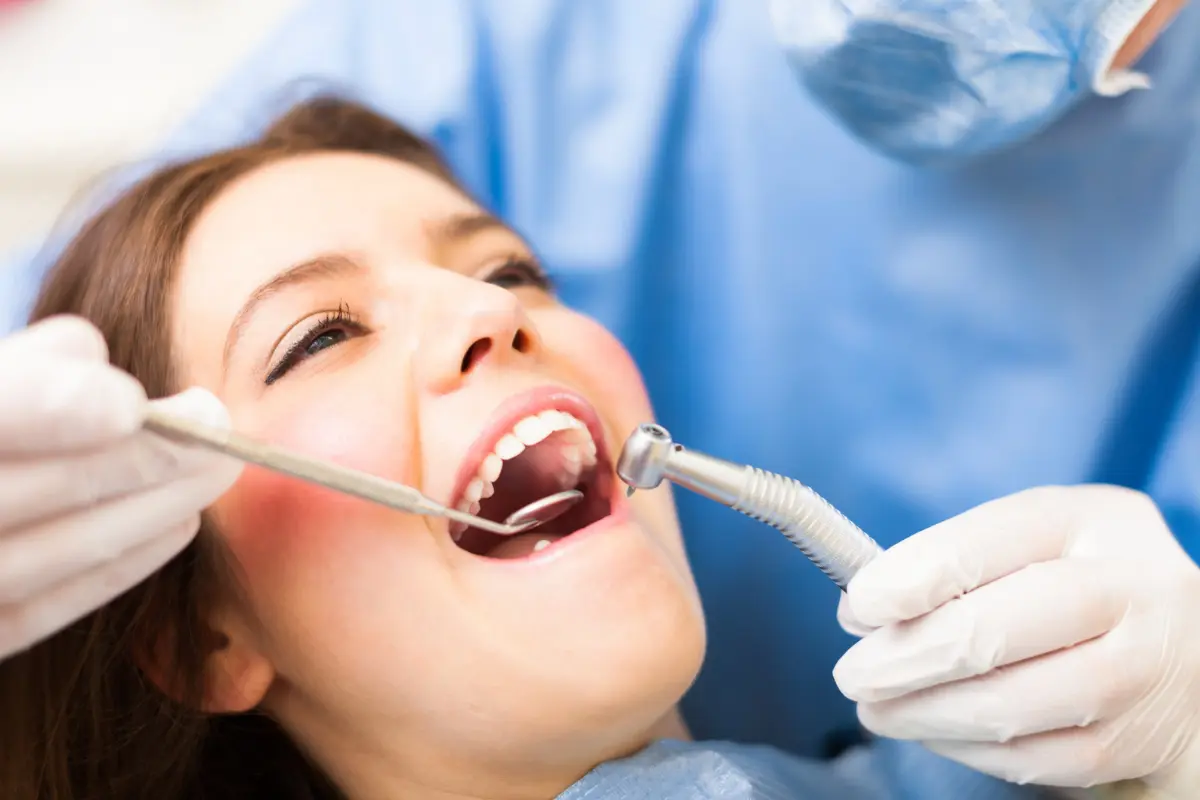
The goal: restoring the tooth’s function and natural appearance
With an aesthetic restoration, it is not enough for the tooth simply to function properly again. Shape, colour and how the restoration fits into the bite all play an important role in achieving a result that blends harmoniously with the surrounding teeth.
How is an aesthetic dental filling placed?
The exact treatment process always depends on the condition of the individual tooth, but a conventional aesthetic filling generally involves the following steps.
Examination and diagnosis
We assess the condition of the tooth and, when necessary, supplement the examination with diagnostic imaging.
Removal of damaged tooth structure
During preparation of the treatment area, the damaged tooth structure is removed and the tooth is prepared for restoration.
Restoring the tooth
The missing or damaged part is restored using a material selected to match the tooth’s shape and colour.
Finishing and adjustment
We check the bite, refine the shape and then finish and polish the surface of the filling.
Why is it worth treating tooth decay early?
A smaller problem generally requires a smaller intervention
Untreated decay can progress deeper over time, so even early changes are worth having examined.
The aim is to preserve natural tooth structure
During conservative treatment, we aim to retain as much healthy natural tooth structure as possible whenever this is clinically appropriate.
The absence of symptoms does not always mean that a tooth is healthy
Some dental problems cause few or no symptoms in their early stages, which is why regular dental check-ups can play an important role.
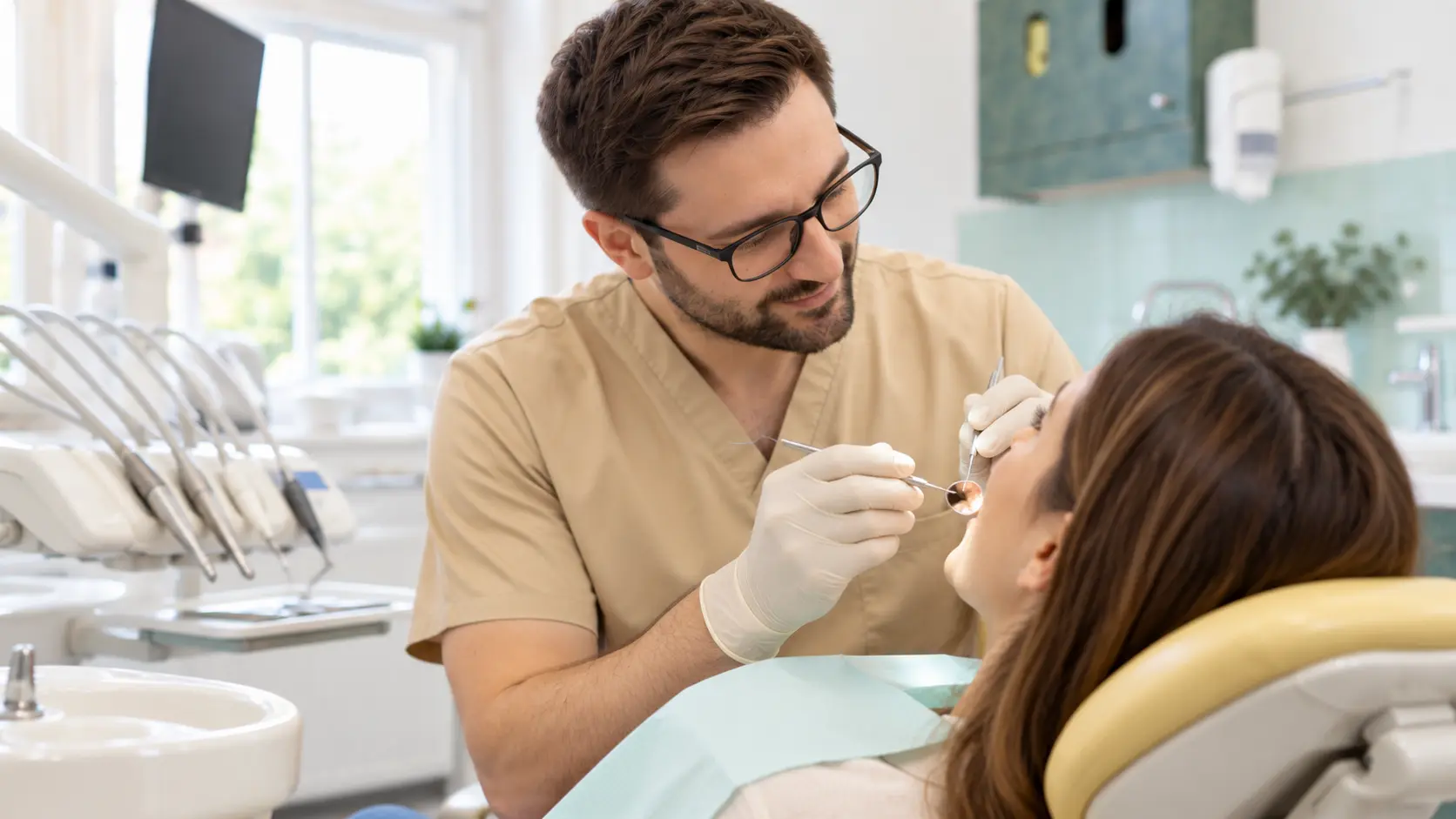
Aesthetic dental filling with 25% discount
Take advantage of our opening offer and book an appointment for an aesthetic dental filling. The discount is valid until 31 December 2026.
What can you expect after treatment?
For a good long-term result, appropriate home oral care and any recommended follow-up appointments are also important alongside the restoration itself.
Bite check
At the end of treatment, we check that the restoration fits properly into your bite.
Home care
Good oral hygiene and regular check-ups can contribute significantly to the long-term condition of your teeth and restorations.
Follow-up when needed
If you experience unusual or persistent symptoms after treatment, it is advisable to contact your dentist.
1-year guarantee on dental fillings
It is important to us that our patients feel confident about their completed treatment in the long term. As a general rule, we provide a 1-year guarantee on our dental fillings.
The guarantee period shown is provided for general information only. The exact terms and duration of the guarantee may vary depending on the individual treatment circumstances, therefore the information above does not constitute comprehensive guarantee information.
I have a question about the guaranteeCommon questions
We have collected some frequently asked questions about dental fillings and conservative dental treatments.
Local anaesthesia is used when needed. The details of anaesthesia and treatment are discussed according to the condition of the individual tooth.
Treatment time depends on the size and location of the decay and the complexity of the restoration.
The lifespan of a filling depends on many factors, including its size and location, bite forces, oral hygiene and individual circumstances.
You may notice sensitivity, pain or visible discolouration, but tooth decay can also be symptom-free at first. A dental examination is required for an accurate diagnosis.
The age of the filling alone does not determine whether it needs replacement. Replacement may be appropriate if the examination identifies damage, inadequate sealing or another problem.
Assessing whether the dental pulp is involved requires a dental examination and, where necessary, diagnostic imaging. The appropriate treatment is always determined according to the condition of the individual tooth.
Preserve your natural teeth for as long as possible
If you experience toothache, sensitivity, a damaged filling or another dental change, arrange a dental assessment. After the examination, we will discuss which treatment options may be appropriate.