
Oral hygiene
Oral hygiene means keeping the teeth, gums and the entire oral cavity clean and healthy. Regular toothbrushing, professional tartar removal and dental check-ups can help prevent tooth decay and gum disease.
Periodontology
Healthy gums. Stable teeth. Long-term results. A beautiful smile depends not only on well-aligned, aesthetic teeth, but also on healthy gums and stable supporting tissues. Periodontology focuses on the health of the tissues surrounding the teeth. Our aim is not only to treat existing problems, but also to identify, monitor and help prevent them over the long term.
Bleeding gums, gum recession, persistent bad breath or increased tooth mobility may indicate problems affecting the supporting tissues of the teeth. Modern periodontal care is based on a detailed assessment and an accurate diagnosis. Based on the findings, we create a personalised treatment plan tailored to your condition and long-term goals.
Precise diagnostics. Personalised treatment. Long-term care.
Book an appointmentWhen should you book an oral hygiene or periodontal examination?
The condition of the gums and the tissues surrounding the teeth plays a fundamental role in long-term oral health. Certain symptoms may indicate at an early stage that a dental or periodontal examination is advisable.
Bleeding gums
Bleeding gums during brushing or occurring spontaneously may indicate inflammation, so recurring bleeding is worth having assessed.
Persistent bad breath
Persistent bad breath may be related to a dental or gum problem, so it is worth identifying the underlying cause.
Visible tartar and staining
Tartar that has built up on the teeth cannot be removed effectively with home brushing alone, so professional cleaning may be required.
Gum recession
If the teeth appear longer or the tooth necks are becoming more visible, it is worth assessing the condition of the gums and supporting tissues.
Swollen or sensitive gums
Persistently swollen, red or sensitive gums may indicate inflammation and may warrant a dental examination.
Increasing tooth mobility
If you notice that one or more teeth are becoming mobile, an examination is recommended as soon as possible to identify the cause.
What do oral hygiene and periodontology include?
The appropriate treatment is always determined by your current condition. The aim is to remove deposits, support gum health and, where necessary, carry out a more detailed examination and treatment of the supporting tissues.
Tartar removal
During professional tartar removal, hard deposits are removed from the tooth surfaces, followed by cleaning and polishing where appropriate.
Personalised oral hygiene guidance
We discuss how to care for your teeth and gums at home, which areas deserve particular attention, and which oral hygiene tools may be suitable for your individual needs.
Periodontal examination
If a gum or periodontal problem is suspected, we carefully assess the tissues surrounding the teeth and, where necessary, prepare a personalised treatment plan.
Periodontal treatment and follow-up
If the examination indicates periodontal disease, the treatment approach and the frequency of follow-up visits are determined according to the current condition.
How does professional tartar removal work?
The exact treatment may vary depending on your individual condition, but a typical professional cleaning generally includes the following steps.
Assessment
We examine the teeth and gums and assess the location and amount of deposits.
Tartar removal
Using professional instruments, we remove tartar and deposits from the tooth surfaces.
Finishing the surfaces
Where appropriate, the cleaned tooth surfaces are further refined and polished.
Home oral care guidance
We discuss how to clean your teeth, interdental spaces and gumline more effectively at home.
How is periodontal health assessed?
When periodontal symptoms are present, we assess not only the current complaint but also the condition of the tissues surrounding the teeth and which treatment approach may be appropriate.
Discussion of symptoms and history
We discuss your current symptoms, previous dental treatments and relevant medical history.
Examination of the gums and supporting tissues
We assess the gums and tissues surrounding the teeth, including any signs that may indicate inflammation.
Diagnostic imaging when needed
When clinically indicated, diagnostic imaging may help provide a more accurate assessment of the supporting tissues.
Treatment plan
Based on the examination findings, we discuss the possible treatment steps and any follow-up appointments that may be required.
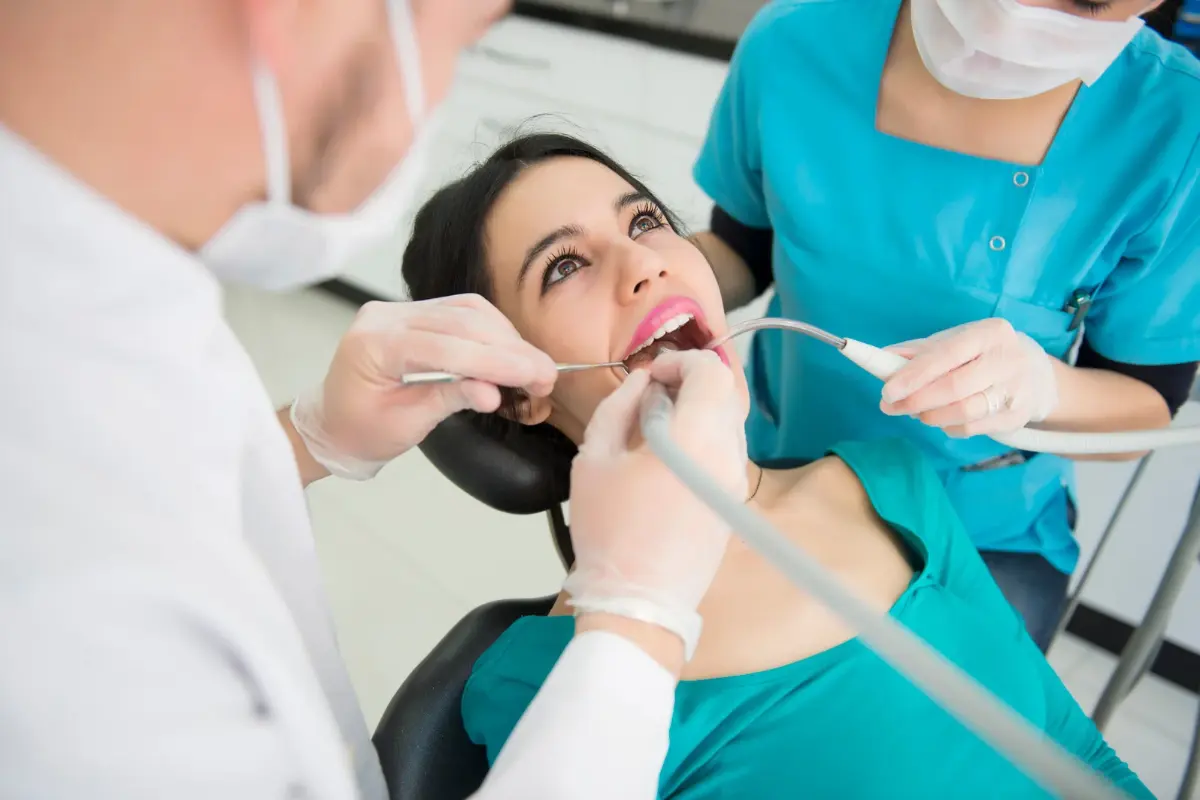
Professional tartar removal with 33% off
Take advantage of our opening offer: professional tartar removal 19 990 Ft instead of 30 000 Ft.
Why is regular professional oral hygiene important?
Regular removal of tartar and plaque, effective home oral care and periodic dental check-ups can work together to support the long-term health of your teeth and gums.
Fewer deposits
Professional cleaning can remove tartar that can no longer be effectively removed by brushing at home.
Monitoring gum health
Regular check-ups provide an opportunity to identify changes in gum health at an early stage.
A cleaner, fresher feeling
After deposits and certain surface stains are removed, the teeth may feel cleaner and better cared for.
More effective home oral care
With personalised advice, we help you understand which areas and oral hygiene tools may need more attention at home.
Professional treatment and home oral hygiene work best together
After professional cleaning, effective toothbrushing and regular interdental cleaning remain important. The ideal tools and technique may vary from person to person, so we can also provide personalised guidance during treatment.
Common questions
We have collected some common questions about tartar removal, oral hygiene and periodontal treatment.
The ideal frequency varies from person to person and depends on factors such as how quickly tartar forms, the condition of the gums, home oral hygiene and other individual factors. Your dentist can recommend an appropriate recall interval.
Sensitivity during treatment can vary from person to person, particularly when the gums are inflamed, tooth necks are sensitive or there are more extensive deposits. If you experience discomfort or sensitivity, let your dentist know.
Regular gum bleeding is not a symptom that should be ignored. It can have several possible causes, so a dental examination is recommended if the problem persists or recurs.
Professional tartar removal primarily focuses on removing deposits from the tooth surfaces. Periodontology is a broader field concerned with the examination and treatment of diseases affecting the gums and the supporting tissues around the teeth.
Temporary sensitivity can occur, especially when there has been significant tartar, gum inflammation or exposed tooth necks. If sensitivity is severe or persists, it is worth discussing it with your dentist.
Persistent gum bleeding, gum recession, recurring gum inflammation, bad breath, tooth mobility or other symptoms affecting the supporting tissues may warrant a more detailed periodontal assessment.
Support the long-term health of your teeth and gums
If you notice tartar, bleeding gums, gum recession or another oral hygiene concern, book an assessment. After the examination, we will discuss which treatment and follow-up schedule may be appropriate for you.